
How To Prepare For Endoscopy: What To Do Before Your Appointment
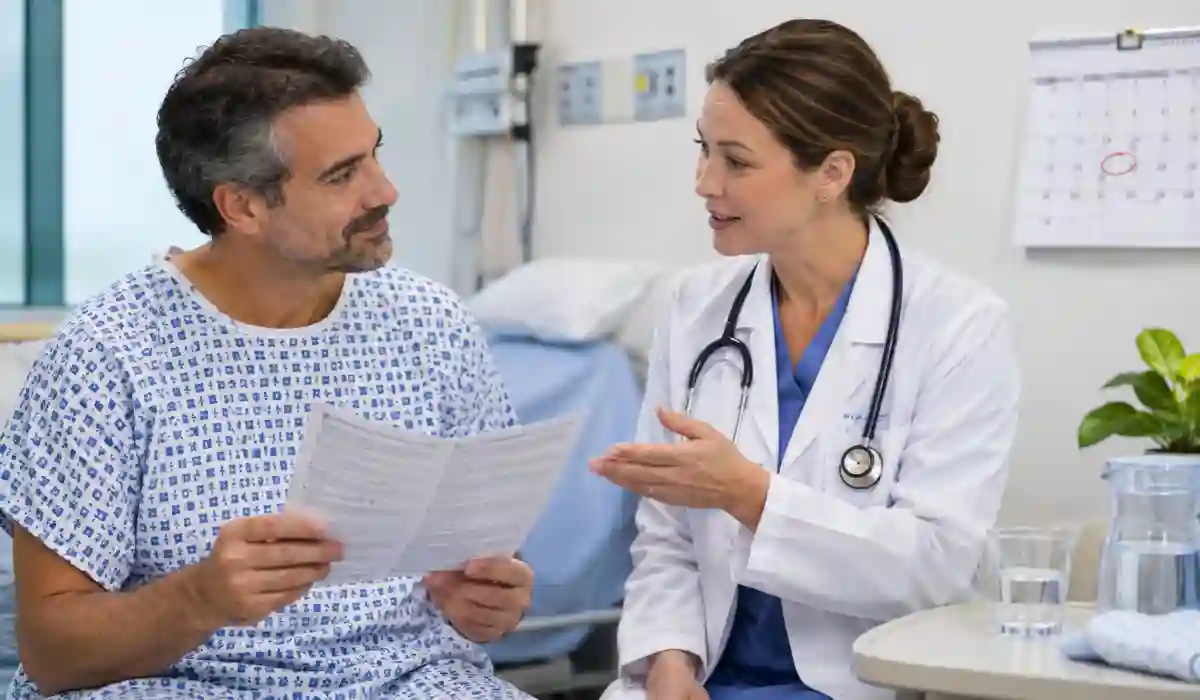
Endoscopy is a medical procedure in which a doctor uses a thin, flexible tube with a light and a camera, called an endoscope, to look directly inside an organ or a body passage. It helps diagnose problems, take biopsies, remove a stuck object, stop bleeding, or remove polyps.
Doctors recommend an endoscopy for symptoms such as persistent heartburn, swallowing difficulty, abdominal pain, unexplained bleeding, anemia, or diarrhea. Endoscopy preparation includes telling your clinician your full medical history, fasting for about 8 hours (no food) and about 4 hours (no liquids) beforehand, and bowel clearing if it is a colonoscopy.
In this guide, you will learn what an endoscopy is and why it is performed; how to prepare for an endoscopy; types of endoscopy; what to expect after an endoscopy; common endoscopy side effects and warning signs to watch for.
What Is an Endoscopy And Why Is It Performed?
An endoscopy is a procedure that examines the inside of your body up close. It helps investigate, confirm, and treat digestive, pelvic, abdominal, and respiratory conditions. During an endoscopy, a doctor inserts a long, flexible, thin tube with a light and camera into your body until it reaches the target organ or area they need to check. The endoscope allows the doctor to:
- Capture images or videos of body parts
- Examine abnormal tissue closely
- Take a biopsy for further investigation
- Remove small tissue growths – polyps – or tumors
- Stop internal bleeding
- Fix blockages or widen organs that are too narrow
- Remove obstructions like food or scar tissue
Endoscopy is used to detect diseases such as irritable bowel syndrome, urinary tract infections (UTI), appendicitis, ovarian cysts, lung infections, swallowing disorders, arthritis, tumors, fertility issues, and kidney stones, among others.
Types Of Endoscopy
There are several types of endoscopy procedures, and they all work the same way: a healthcare professional inserts a scope into a body opening or small incision, allowing them to directly view the areas that need examination or treatment. Here are the main types of endoscopy:
Anoscopy: The endoscope is inserted through the anus to check the anus and the rectum and diagnose hemorrhoids, fissures, polyps, colorectal cancer, or inflammation.
Arthroscopy: Orthopaedic surgeons insert the scope through an incision above the joint to look for inflammation and treat tendon or ligament tears and arthritis.
Bronchoscopy: Thoracic surgeons specializing in the lungs and heart use this procedure to examine the windpipe and lungs.
Colonoscopy: Gastroenterologists insert an endoscope through the anus to examine the colon and rectum lining.
Cystoscopy: Urologic surgeons use this to examine the urethra, bladder, and prostate to detect conditions such as pelvic pain, loss of bladder control, and urinary tract infections (UTIs).
How To Prepare For Endoscopy
Endoscopy preparation depends on the type of endoscopy you have been ordered by the doctor. There’s no preparation needed for anoscopy, while a colonoscopy requires fasting and laxatives to clear the intestines. Based on the type, you may be asked to:
- Inform the healthcare provider of any pre-existing medical conditions and medications or supplements you may be taking.
- Do a urine test to check for a UTI before a procedure involving the urinary tract. You may need a pregnancy test before a hysteroscopy.
- Prepare your bowel by flushing feces out of the intestine for colonoscopy, enteroscopy, and other procedures involving the lower digestive tract.
- Stop taking medications like blood thinners and aspirin before an endoscopy procedure.
- Stop smoking and using tobacco products before the procedure
- You may be sedated or under anesthesia before an endoscopy. Make sure you have someone to take you back home.
What to Expect After an Endoscopy
Right after the endoscopy procedure, the medical team will monitor your vital signs, and in most cases, you can go home the same day. You may feel drowsy, groggy, or have memory gaps from the endoscopy sedation, which wears off after about 1-2 hours.
Temporary symptoms after the procedure include:
- Mild sore or scratchy throat
- Hoarseness in voice
- Nausea
- Gas
- Bloating
- Mild cramping
These usually improve within a day or two. However, you are not supposed to drive, operate heavy machinery, drink alcohol, or sign legal documents for the first 24 hours after sedation, even if you feel alert. Eat light foods and easy fluids, and avoid greasy or spicy foods if you feel nauseated.
Common Endoscopy Side Effects And Warning Signs To Watch For
Endoscopy is generally a safe medical procedure, but it still has some potential risks and side effects, depending on the type of endoscopy you had. Possible endoscopy side effects include:
- Bleeding and perforation after a biopsy or polyp removal, which are treated during the procedure by sealing blood vessels with heat or medication
- Pain, numbness, or soreness that can occur at the site of the endoscopy, especially after the sedatives or painkillers begin to wear off
- In rare cases, you may acquire an infection during the procedure, which is treated with antibiotics
Conclusion: How To Prepare For An Endoscopy
An endoscopy is a generally safe medical procedure that uses a flexible camera-equipped tube to diagnose and treat conditions across the digestive, respiratory, pelvic, and abdominal regions. Endoscopy preparation includes sharing your medical history with the doctor, observing an 8-hour fast from food and water before the procedure, stopping alcohol or tobacco use and certain medications, and flushing your bowels for clear visibility and to reduce risks.
While most endoscopy side effects like bloating, gas, or a scratchy throat are normal and go away quickly, it is important to refrain from making important decisions, driving, operating heavy machinery, or drinking alcohol for the first 24 hours.
If you have an upcoming endoscopy, or are experiencing side effects like unexplained pain in the incision area, bleeding, or swallowing difficulties after the procedure, reach out to your doctor to review your preparation or receive adequate treatment.
FAQs
1. Can I eat or drink before an endoscopy?
Usually no. It’s recommended to follow your clinician’s fasting guidelines. For an upper endoscopy, you should not have solid food for about 8 hours and no liquids for about 4 hours before the procedure.
2. Should I stop my medicines before an endoscopy?
Inform your doctor about all the medication you are taking. Blood thinners, aspirin, diabetes medicines, and NSAIDs may need to be paused or limited on the day of the endoscopy.
3. Do I need someone to drive me home after an endoscopy?
Yes, if you have received sedation or anesthesia, arrange a ride home. You are not supposed to drive, work, or make important decisions for 24 hours.
4. What are the main types of endoscopy?
Common endoscopy types include upper endoscopy for the esophagus, stomach, and upper small intestine; colonoscopy for the colon and rectum; sigmoidoscopy for the lower colon; bronchoscopy for the airways; and cystoscopy for the bladder.
5. Does preparation differ by endoscopy type?
Yes, most endoscopies require fasting, typically no food for about 8 hours and no liquids for almost 4 hours. A colonoscopy also requires a clear-liquid diet and laxatives to clear the bowel. It’s best to follow your doctor’s instructions for endoscopy preparation.