
Food To Avoid Before An Endoscopy | Foods, Drinks And Eating Rules To Follow
Food to Avoid Before an Endoscopy
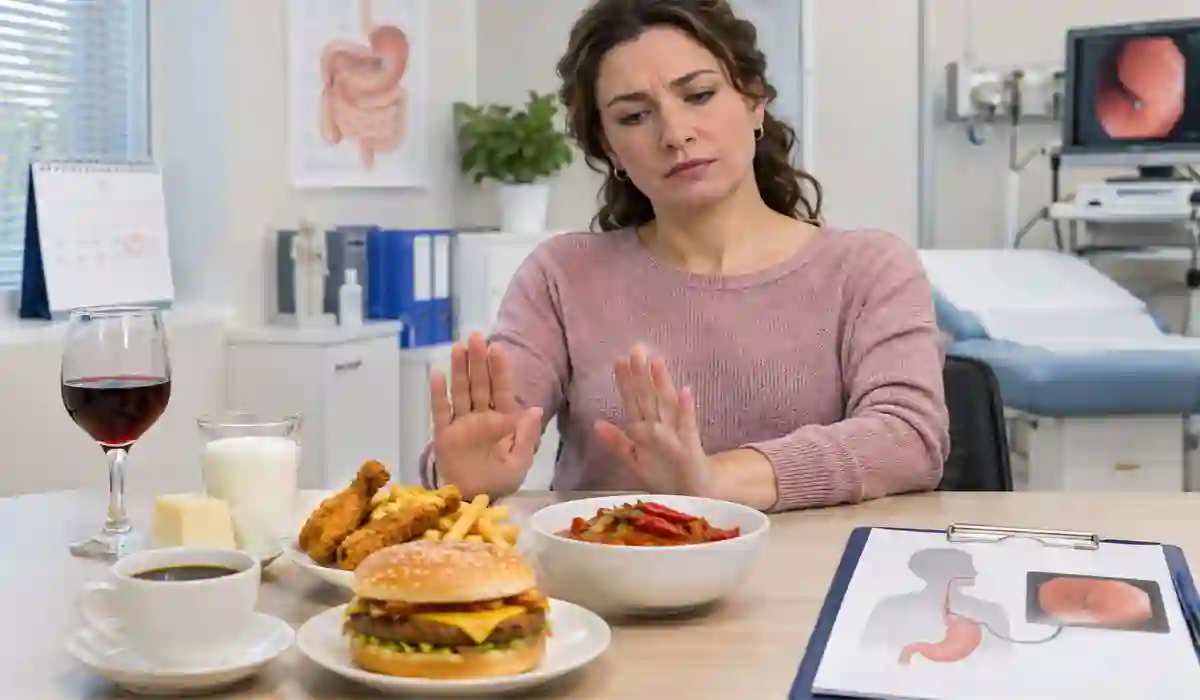
Following a proper diet before endoscopy as directed by the physician will help to keep the stomach and intestines as clear as possible. A proper diet as directed by the physician supports clarity and enhances safety during the procedure. Also, it allows the doctor to get accurate visuals and make precise diagnoses. Additionally, complications such as vomiting, aspiration, or injury to the digestive tract can occur if the stomach is not empty during endoscopy. Understanding endoscopy preparation and dietary restrictions is essential before endoscopy to ensure the accuracy and safety of the procedure. Certain types of foods should be strictly avoided before an endoscopy as they can interfere with the digestive tract and lead to unnecessary complications. Your healthcare provider will help you with it by providing an appropriate diet plan.
Foods to Avoid Before an Endoscopy
Preparing for endoscopy is essential to see optimal results from the procedure. The dietary protocol before endoscopy starts a few days before the procedure. Your physician will ask you to avoid certain types of foods. It includes:
1. Solids: Patients should stop eating all solid foods at least 6 to 8 hours before the procedure.
2. High fiber foods: Even though high-fiber foods are considered healthy, they are recommended to avoid for a few days before endoscopy, as they can stay longer in the digestive tract, interrupting the clear view during the procedure. It includes:
- Whole grains: Brown bread, wholemeal pasta, oats, and cereals containing bran.
- Legumes: Beans, lentils, and peas
- Certain types of vegetables: Vegetables with skins or small seeds, such as corn, tomatoes, and leafy greens.
- Seeds and nuts: These types of foods can easily get stuck in crevices and cover up the inner lining.
- Dried fruits: Raisins, apricots, and prunes.
3. Fatty and fried foods: Foods that are rich in fat, especially fried items, can take comparatively more time to digest and delay gastric emptying. The patients are instructed to avoid:
- Fatty meats
- Fried dishes
- Rich sauces and creamy dishes
4. Red and purple coloured foods and drinks: patients should avoid red foods such as beetroot, red berries, and red and purple drinks like fruit juices, sports drinks, or coloured jellies, as the dye or natural pigments from these items cause staining in the lining of the digestive tract. These stains can be mistaken for blood during the examination.
Foods and Drinks That Are Safe Before an Endoscopy
While strictly following the diet protocols before an endoscopy, certain types of foods are considered safe to eat before the procedure. They include:
- 7 days before endoscopy: well-cooked lean beef, white rice, cereal including cornflakes and crisped rice cereal, boiled or poached eggs, soya or tofu, milk, potatoes without skin, clear jelly, water, clear strained soup, or clear stock.
- 5 days before endoscopy: Lean meat, light tea, biscuit, and chamomile
- 24 hours before endoscopy: Typically, a clear liquid diet is recommended 24 hours before the endoscopy. It includes:
Water , Clear broths , Gelatin , Tea or coffee without milk or cream, Clear sodas and sports drinks , Clear juices without pulp
Patients are instructed to fast at least 8 hours before the endoscopy. This helps to e4nsure stomach and intestines are empty, increasing the accuracy of the procedure. However, this can vary in different patients.
How to prepare for an endoscopy?
Preparing for endoscopy is not only about avoiding certain types of food. It also includes:
- Avoid smoking and alcohol: Smoking and alcohol consumption disrupt the accuracy of the endoscopy results by causing inflammation in the digestive system. Smoking should be avoided before endoscopy, as it can irritate the digestive tract by increasing stomach acid production. Using alcohol before endoscopy interferes with sedation and the body’s healing ability.
- Hydration: Maintaining proper hydration helps prevent duhydration dehydration during fasting and regulate blood pressure. However, avoid drinking water or anything a few hours before endoscopy as per your doctor’s instructions.
Medication adjustments before endoscopy
Along with food and drinks, it is very important to make some adjustments to your medications too after discussing with your physician, as certain medications can influence the accuracy of the procedure.
Seek professional healthcare advice before endoscopy if you are already on any prescription medications such as:
- Blood thinners like aspirin, warfarin, or clopidogrel can increase the risk of bleeding
- Iron supplements: Iron supplements can cause staining, which may be mistaken for blood in the digestive tract
- Diabetes medicines
- Nonsteroidal anti-inflammatory drugs (NSAIDs)
Conclusion
Patients are instructed to follow a strict diet before endoscopy to ensure the accuracy of the procedure. Avoiding certain types of food and drinks is important before endoscopy to ensure its safety and effectiveness. Proper preparation before the procedure by following the instructions from your healthcare provider helps to ease the complexities of the procedure and avoid unnecessary risks.
FAQs
1. When to stop drinking water before an endoscopy?
Generally, patients are instructed to stop drinking water 2 to 4 hours before endoscopy.
2. How long before an endoscopy should I stop eating?
Patients are instructed to stop eating any kind of solid food 6 to 8 hours before an endoscopy.
3. What to eat the night before an endoscopy?
Light, easily digestible, low-fat foods such as soup, plain pasta, or grilled chicken or fish are recommended to eat the night before an endoscopy.
4. What not to do before an endoscopy?
Patients are instructed to avoid drinking, eating, certain medications, smoking, alcohol consumption, and any other activities that may interfere with the digestive tract and reduce the accuracy of endoscopy results.
5. How long should you fast before an endoscopy?
The fasting duration before endoscopy will be directed by your physician. Typically, patients are instructed to avoid food for 8 hours and clear liquids for 2 to 4 hours before the procedure.